MENG 4450 · PLC & ROBOTICS

Saint Louis University · Fall 2026

Think out loud.

This site holds the interactive activities we run during class meetings. Each one is built for two people sharing one screen: you talk first, commit to an answer, and see the reasoning the moment you do. The reading gives you the principle, the bench gives you the hardware, and this is where the two meet.

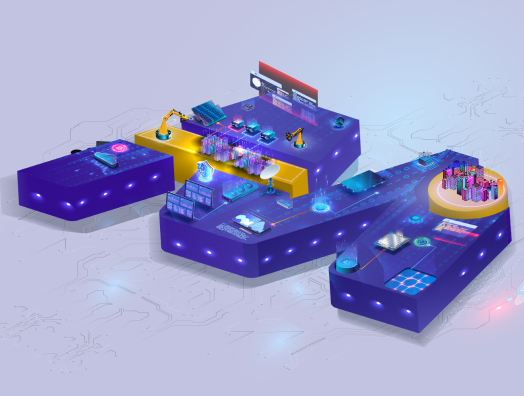
Isometric illustration of an industrial automation cell with robot arms, a conveyor, and control electronics
Live

Ready to run

LiveDay one

Read the Syllabus

A card game in four rounds, refereed by Bolty the robot. Place the five weights, sort eight components by how each is graded, work through ten situations drawn from a pack of twenty-three, then finish with six lightning facts. Every answer traces to one sentence of the syllabus, and the sentence is shown.

Play →
PlannedModule 1

Contact Forms and the Socket

Form A, form B and form C on a relay socket diagram, matched pin by pin to the panel jacks in front of you. The bench supplies the half of the answer no model can guess.

In preparation
PlannedModule 1

Build the Rung

Assemble a start-stop-seal circuit one element at a time, with stop priority tested by a simulated fault. Wrong orders run, and then fail in a way you can watch.

In preparation
PlannedModule 2

Sink or Source

Trace the current path through a field device and decide which side goes to the supply, which to the input jack, and which to the output common. Get it backwards and the animation shows you nothing happening.

In preparation
PlannedModule 2

Which Slot Is Your Input?

Photographs of eight chassis, each with its own module order. Read the faceplates, build the alias tag that is correct for that bench, and discover why a program does not travel.

In preparation
PlannedModule 5

First Test, Then Touch

A machine that does not work and a symptom. Commit to your first test before you are allowed to change anything, then see what each outcome would have ruled out.

In preparation
PlannedModule 7

Four Frames, One Arm

World, base, flange and tool. Move the arm, watch which coordinates change, and work the tool-offset sign trap on a diagram before you meet it on the pendant.

In preparation
PlannedModule 6

Stored Energy

Switch off the electricity and say what is still dangerous. Air in the gripper, an unbraked vertical axis, a charged supply, a panel with one 115 V pair among the 24 V jacks.

In preparation
How to use

How these activities work

In class

One device between two students

Every activity is built for pairs sharing a screen, because the argument between the two of you is where the learning happens. Everything runs inside the page: open it and play, and when the tab closes, what it showed you is gone.

On any screen

Phones, laptops, the bench machines

Every interaction is a single tap, so the smallest phone works as well as a laptop or a bench machine. Open the link and you are in, and the whole room is playing within seconds.

What you get

Feedback, on the spot

Principle comes from the assigned reading, and grades live on Canvas. This site gives you immediate feedback while there is still time to act on it: every answer shows its reasoning, and syllabus questions quote the sentence they came from. Scores stay between the two of you playing.

Design rule

The answer is in the room

Wherever an activity can, it turns on something you read off the equipment in front of you: this bench, this pendant, this nameplate. Answering means standing in the room with the machine.